Before the Doorbell Rings: A Thanksgiving Game Plan for Your Dog
Training Tips
6 min read
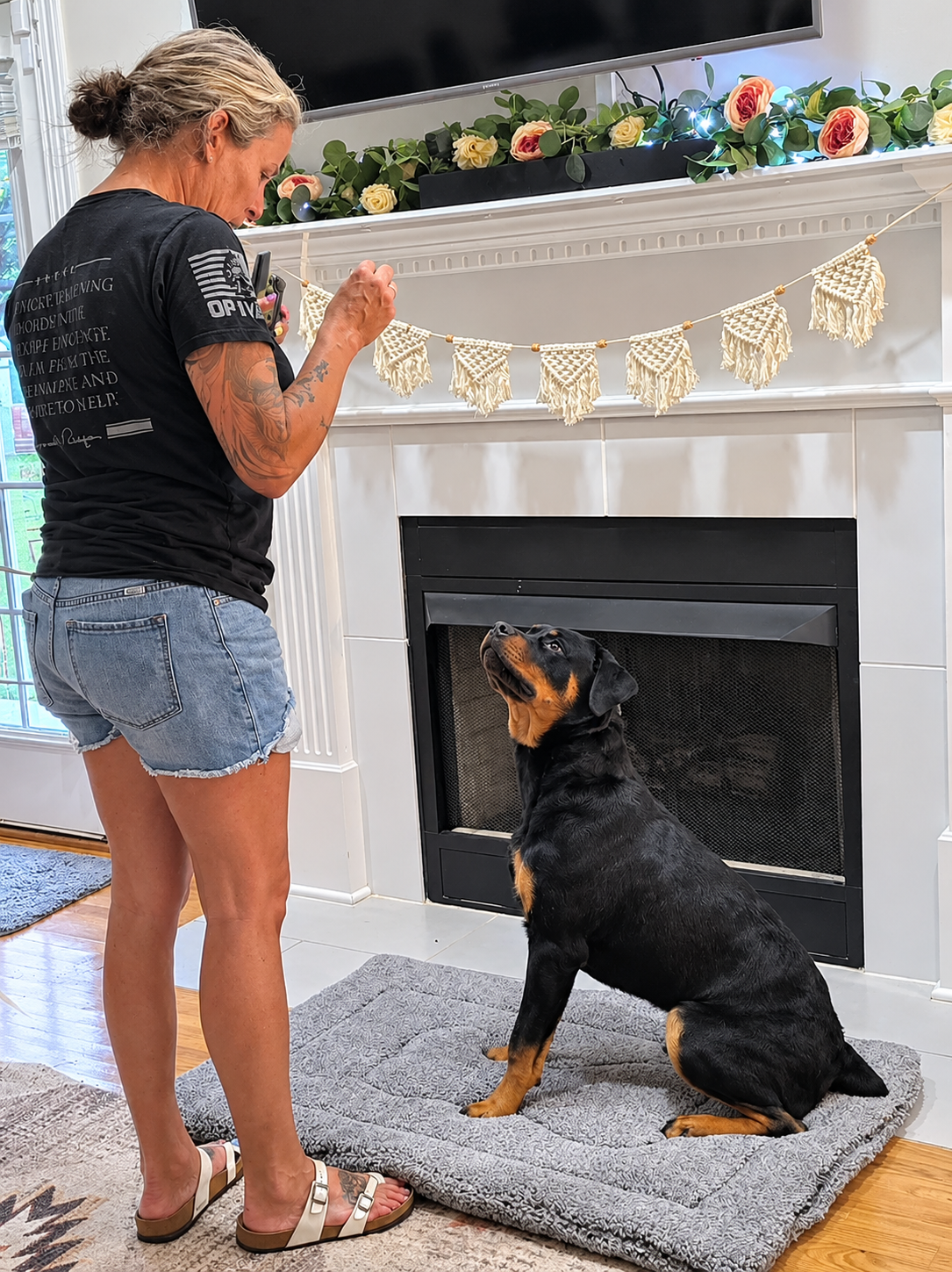
The turkey is resting. The doorbell is ringing. Someone has already dropped a dinner roll.
And your dog has appointed themselves head of the welcoming committee.
Thanksgiving brings plenty to celebrate, but visitors, food, and a different household routine can make the day challenging for dogs and their people. Whether you’re hosting in Nashville, visiting family in Goodlettsville, or gathering elsewhere in Middle Tennessee, a little preparation can make the holiday more comfortable.
To help your dog during Thanksgiving, plan guest arrivals, reward familiar behaviors, keep food out of reach, and provide a quiet place for breaks. Use the cues your dog already understands and make the situation easier when distractions become too much.
Your dog doesn’t need to earn a perfect report card before dessert. The goal is a manageable day with clear expectations and communication.
1. Make a plan before the first guest arrives
Choose who will handle your dog when visitors arrive. That person should be able to focus on the dog rather than simultaneously carrying a casserole, answering the door, and collecting coats.
Before the gathering, decide:
- Where your dog will be during arrivals.
- Which familiar cues you will use.
- Who will provide rewards.
- Where your dog can rest away from the activity.
- Who will handle bathroom breaks.
Put the supplies you need within reach before the doorbell starts: your dog’s usual rewards, leash, water, and familiar bedding.
Keep the plan simple enough that everyone can follow it. “Please give us a moment to get the dog settled before coming in” is more useful than several people calling different instructions from the hallway.
If greetings and household manners are ongoing challenges, explore our basic obedience training program for help building those skills beyond the holiday.
2. Give your dog a manageable greeting
Your entryway doesn’t need to become a meet-and-greet line.
For dogs comfortable with visitors, start with one calm person and enough space to respond to a familiar cue. Ask guests to wait for your direction before interacting.
A simple household instruction is:
“Please let us get settled first. We’ll let you know when it’s a good time to say hello.”
For a friendly dog practicing greetings, reward the behavior you want to see, such as keeping four paws on the floor. If excitement rises, pause the interaction and reset at an easier distance.
For dogs that find visitors stressful, participation is optional. Don’t turn a family gathering into a test of whether your dog will tolerate unfamiliar people.
A secure barrier or comfortable room can help separate the dog from a busy doorway. The American Veterinary Medical Association’s Thanksgiving guidance also recommends watching exits and checking that your dog’s identification tag information is current.
3. Mark the right moment—not what happens afterward
Marker timing helps make communication with your dog clearer.
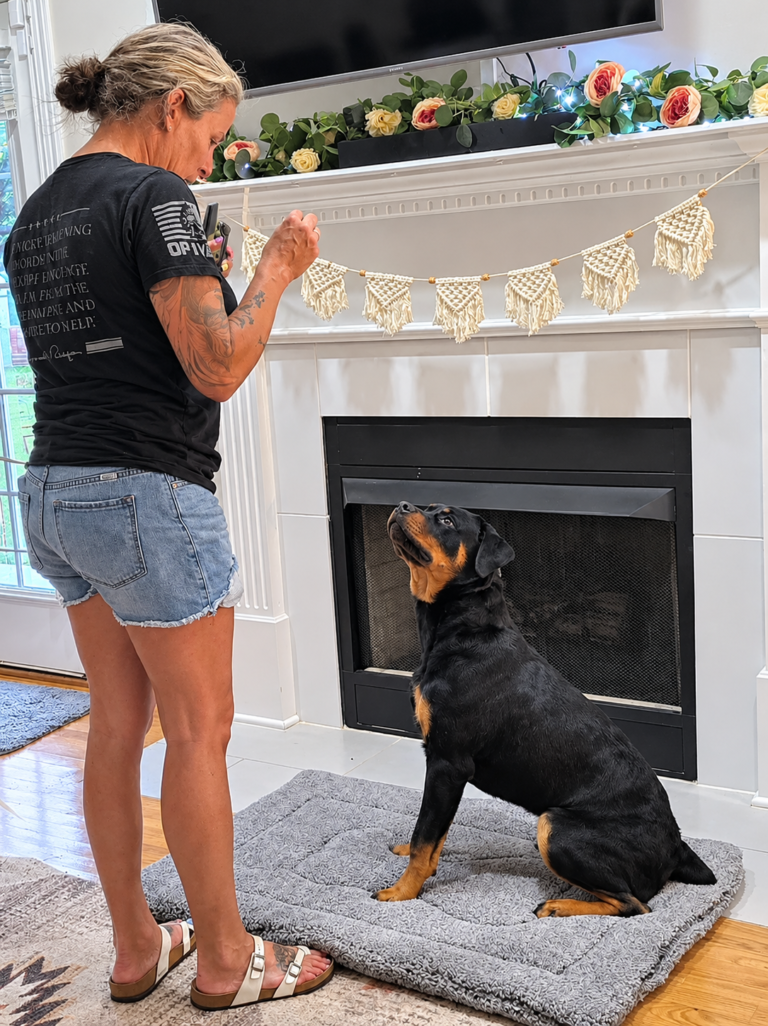
A reward marker is a familiar sound or word that tells your dog which behavior earned the reward. Use the marker your dog has already learned rather than introducing a new system during the holiday.
For example, if you’re rewarding a familiar sit:
- Give the cue once.
- Watch for your dog’s rear to touch the floor.
- Mark that moment.
- Deliver the reward promptly.
If you wait until your dog stands up or jumps, the timing becomes less clear. Think of the marker as identifying a particular moment, not providing general commentary.
VCA Animal Hospitals explains marker timing using the same principle: mark when the desired behavior occurs, then follow with the reward.
Also remember that a reward marker, a continuation marker, and a release cue may mean different things in your dog’s training system. Follow the instructions your trainer gave you. Don’t assume a reward marker means “keep holding that position” if your dog has learned otherwise.
If you’re uncertain about reward or correction-marker timing, ask your trainer to review it in a quiet practice session. Thanksgiving dinner is not the moment to improvise unfamiliar corrections.
4. Give “place” a realistic job during dinner
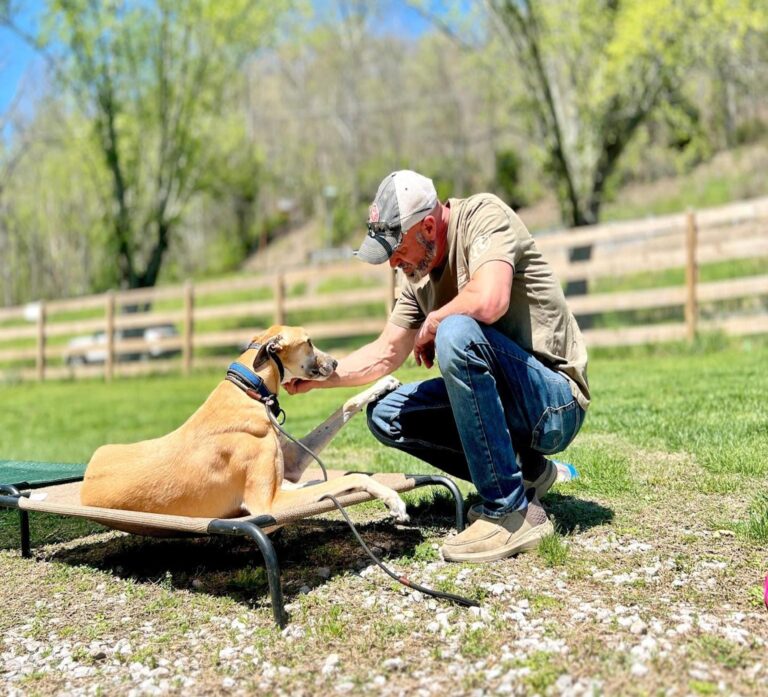
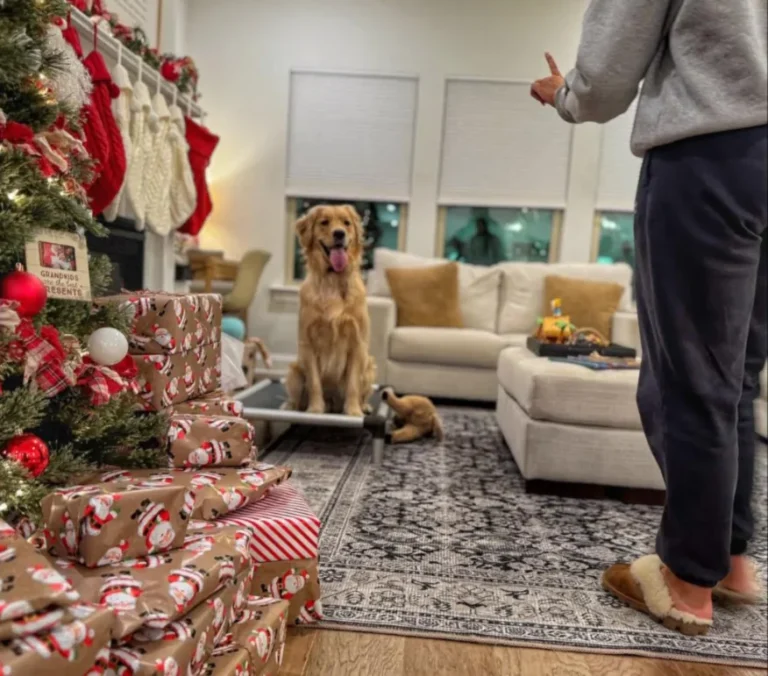
If your dog already understands “place,” use the familiar bed or mat in a manageable setting.
Set it outside the main walkway and away from food preparation. Begin with a duration your dog can comfortably handle, follow the reward and release system they know, and provide breaks.
A dog who succeeds for a short period in a quiet room may need extra support when there are guests, food smells, and moving chairs around them.
If your dog repeatedly leaves the mat, simplify the situation. Reduce the duration or distractions rather than repeatedly asking for something they aren’t ready to maintain.
If “place” is new, a busy holiday meal is not the time to try mastering it. Choose a comfortable, secure resting setup instead.
For broader holiday preparation, read The Secret to a Peaceful Holiday Season? A Well-Trained Dog.
5. Keep the feast for the people
Those hopeful eyes are persuasive. Your dog still doesn’t need a sampler plate.
Keep turkey bones, fatty scraps, stuffing, desserts, alcohol, and foods containing onions, garlic, grapes, raisins, chocolate, or xylitol out of reach. Ask guests not to share food from their plates, and secure leftovers and trash.
For a detailed reference, see the American Animal Hospital Association’s guide to Thanksgiving foods pets should avoid.
The simplest holiday reward is often a small portion of your dog’s usual food or a familiar treat that fits their normal diet.
If your dog eats something potentially dangerous, contact your veterinarian or an emergency veterinary clinic promptly. Don’t wait for symptoms or attempt a home remedy without veterinary direction.
Your dog can be part of the celebration without becoming the unofficial dishwasher.
6. Schedule breaks before your dog needs one
A quiet break can be part of a successful Thanksgiving.
Prepare a comfortable resting area with water and familiar bedding. If you use a crate, it should already be a place where your dog feels comfortable. Tell guests—including children—that resting dogs are off duty.
Watch for behavioral changes in your pup such as persistent pacing, hiding, panting unrelated to heat or exercise, or difficulty settling. These can be reasons to reduce activity and give your dog space. AAHA’s Thanksgiving safety guide offers additional guidance on holiday stress and quiet retreats.
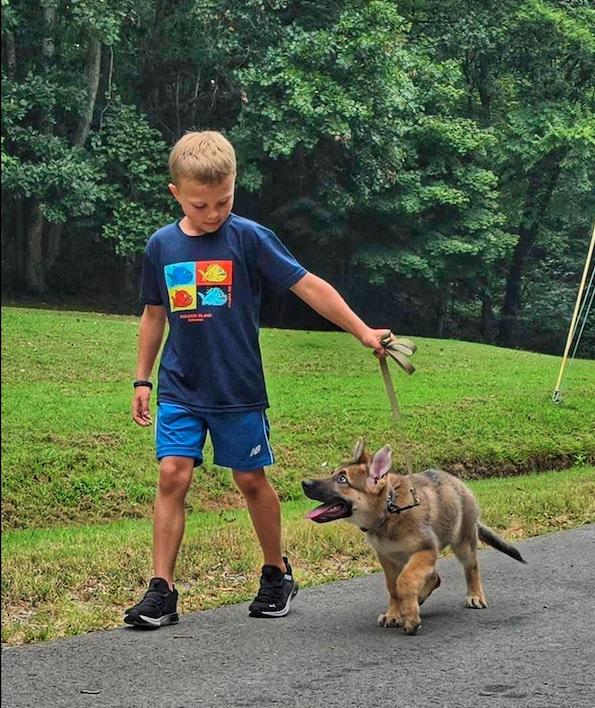
For puppies, keep expectations especially modest. Plan frequent bathroom opportunities and rest periods, and supervise interactions with children. Our puppy training program focuses on building foundations that families can continue practicing at home.
If your dog has a history of snapping, biting, or guarding around visitors, use secure separation and seek individualized guidance. You can learn about our aggression training services and discuss your dog’s needs before planning introductions.
Your Thanksgiving dog checklist
Before guests arrive:
- Assign one adult to manage the dog during arrivals.
- Prepare familiar rewards and equipment.
- Check doors, barriers, and identification.
- Set up a comfortable resting area.
- Explain greeting and no-table-scraps rules to guests.
- Plan bathroom breaks and downtime.
- Keep emergency veterinary contact information available.
During the gathering:
- Use familiar cues consistently.
- Mark the behavior you intend to reward.
- Keep training expectations realistic.
- Protect food, leftovers, and trash.
- Give your dog space when they need it.
Make the next gathering easier, too
Thanksgiving can reveal which skills are working well and which need more practice: greetings, settling, door manners, or responding around distractions.
Those observations can help shape a useful training plan long after the leftovers are gone.
If you’re considering a structured program, our guide to group classes versus board and train explains options to explore. You can also read Is Board and Train Right for Your Dog? A Guide for Nashville Owners.
Ready to discuss your dog’s needs? Request a free evaluation with Ridgeside K9 Nashville. Tell us what you’re seeing at home and what you’d like to work toward.
Happy Thanksgiving from Ridgeside K9 Nashville—here’s to good company, clear communication, and a turkey that stays on the table.