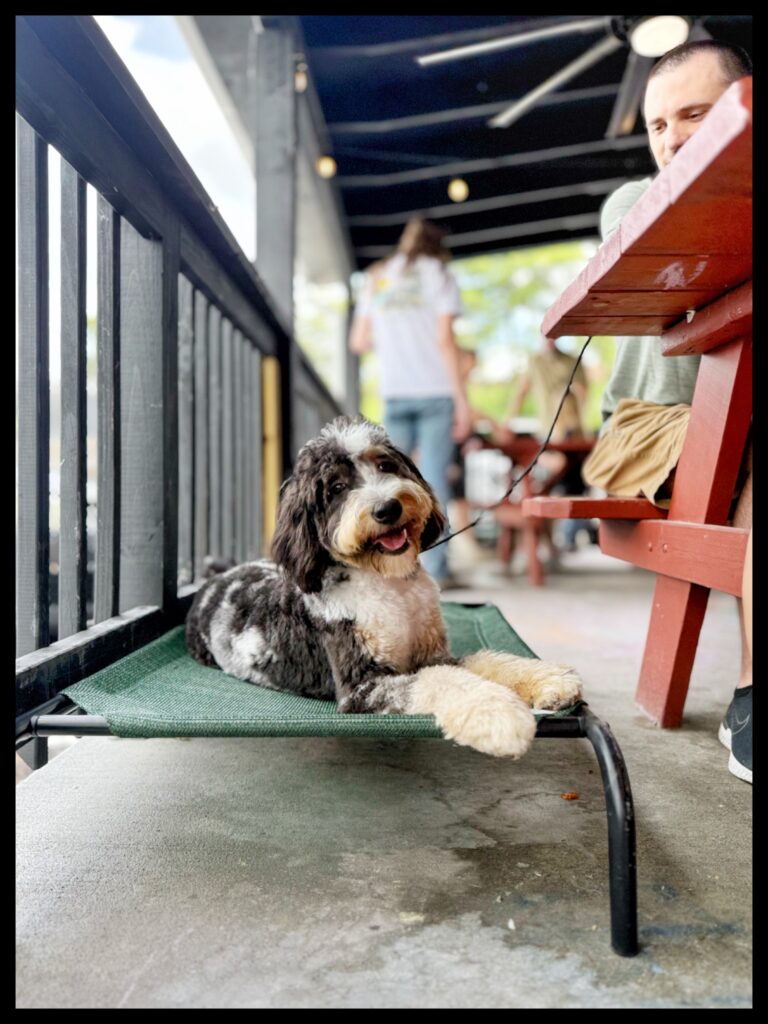
Is Board and Train Right for Your Dog? A Guide for Nashville Owners
Training Tips
5 min read
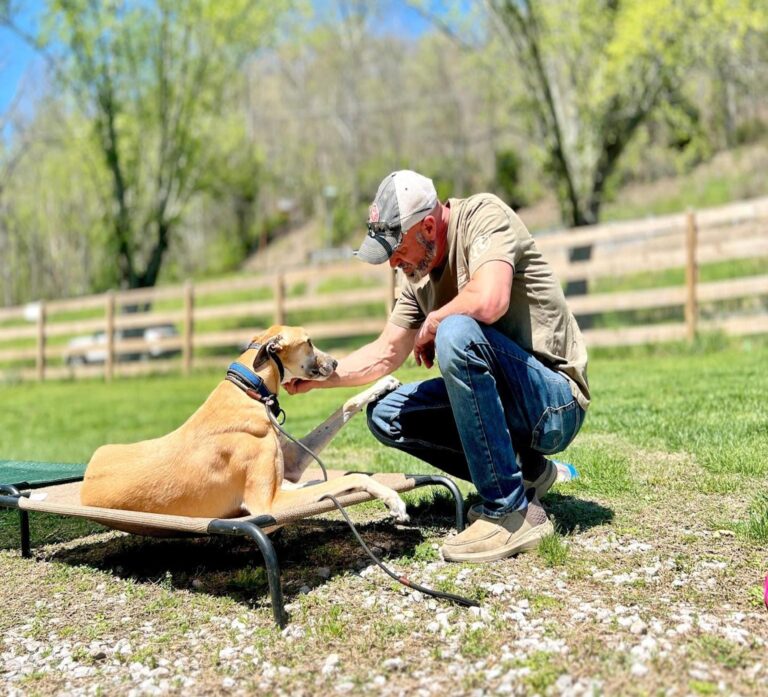
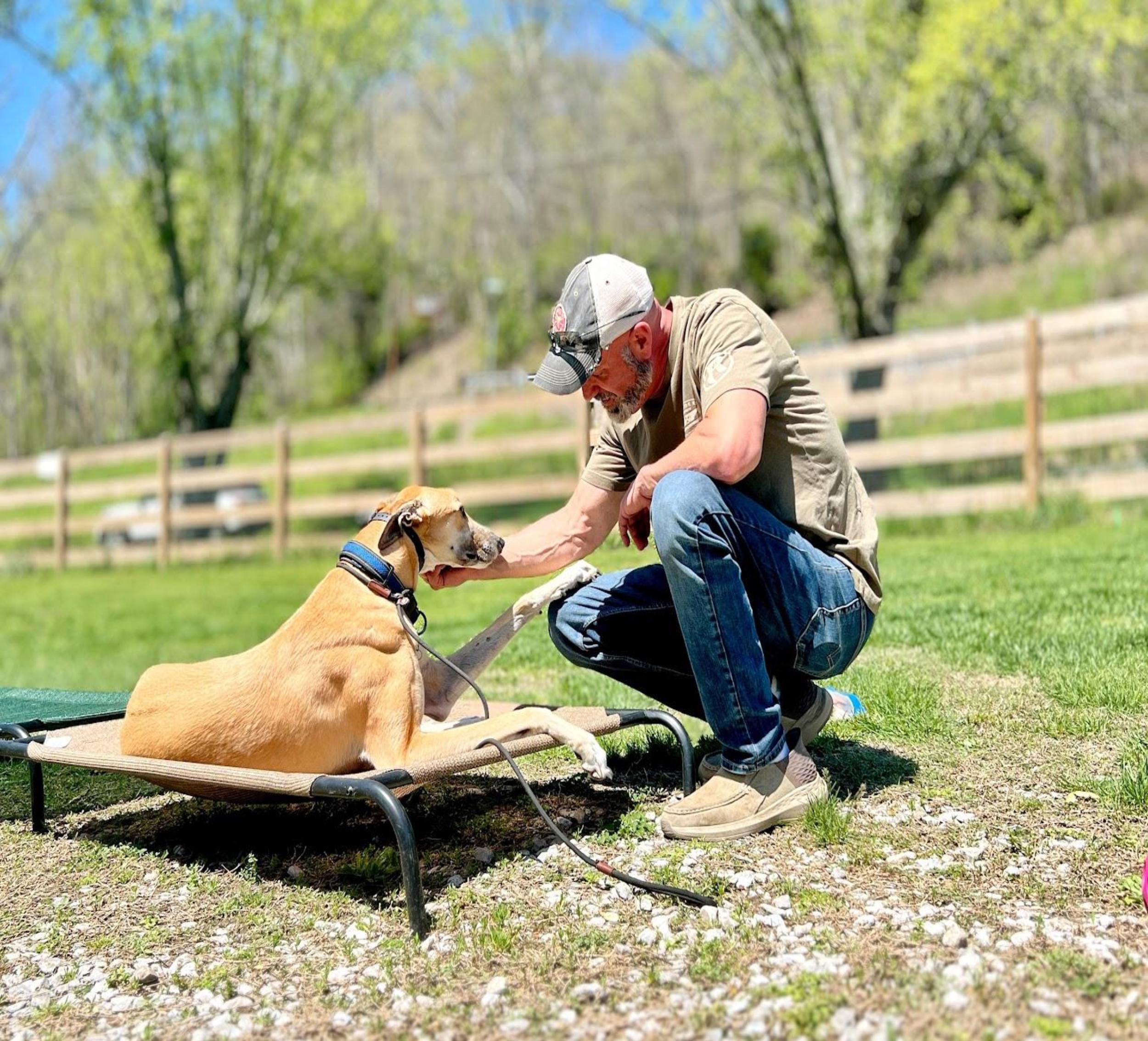
You love your dog. You would also love to take a walk without being pulled down the sidewalk, welcome guests without a jumping contest, and feel more confident that your dog will listen when it matters.
If that sounds familiar, you may be considering a board and train program. But sending your dog away for training is a significant decision, emotionally and financially. You want to understand what they will learn, how and where they will be cared for, and what happens when they come home.
For Nashville dog owners, the best place to start is with your everyday goals. What would make life with your dog easier, safer, and more enjoyable?
Here’s how to think through whether a board and train course could be a good fit—and what to ask before choosing a program.
What Is Board and Train?
Board and train is a program in which your dog stays with a training provider while receiving professional instruction. The length, environment, daily routine, and training goals vary by provider, program and your dog’s specific needs.
Depending on the goals you have for your pup, the conversation with your potential trainer might focus on basic obedience, leash manners, recall, neutrality around people or other animals, or other specific challenges. Before enrolling, you should understand exactly which skills the trainer plans to address and how progress will be evaluated and communicated.
You should also know what instruction you will receive. Your dog’s time with a trainer is one part of the process; learning how to work together at home is another. The ASPCA emphasizes that board-and-train programs require owners to learn the skills needed to maintain their dogs’ new behaviors.
Start With the Moments You Want to Improve
“Better behaved” is a reasonable starting point, but specific examples make an evaluation more useful.
Think about what happens during a normal day:
- Does your dog pull throughout neighborhood walks?
- Is greeting visitors difficult to manage?
- Do you struggle to get your dog’s attention around distractions?
- Are household members using different words or expectations?
- Do you feel unsure about how to practice skills your dog already knows?
Bring those examples to the conversation. Instead of saying, “My dog never listens,” explain when listening becomes difficult, what is happening nearby, and what you have already tried.
For a family in Nashville, the goal might be calmer walks around the neighborhood. For another household, it might be a more manageable routine when friends arrive. Your priorities should help shape the training discussion.
When Might Board and Train Be a Good Fit?
A board and train program may be worth exploring when you want professional help establishing skills and a clearer plan for continuing them at home.
It is especially important to consider your own readiness. Does your schedule allow you time to learn the trainer’s instructions, practice consistently, and help everyone in the household follow the same expectations?
A busy calendar can be one reason to explore an immersive program, but you should still plan time for your involvement. Ask what owner instruction looks like post training, how much practice will be expected after your dog returns – and how much support the training company provides after the turnover.

Other training formats may suit your circumstances better. Ask whether private lessons, group classes, or another approach would fit your goals. A useful evaluation should help you understand your options.
What About Puppies, Reactivity, or Aggression?
These concerns deserve individual conversations.
For puppy training, ask about age requirements, daily care, rest, and appropriate training goals. Make sure the program’s expectations fit your puppy’s stage of development.
If your dog reacts strongly to other dogs or people, guards resources, or has a bite history, explain that clearly before enrolling. Give the trainer specific examples rather than relying only on a label such as “reactive” or “aggressive.”
Ask how the dog will be assessed, what the provider is equipped to handle, and whether another professional should be involved. Avoid assuming that a general obedience program covers every behavioral concern.
The purpose of an evaluation is to establish an appropriate next step for your particular dog.
Six Questions to Ask Before Choosing a Program
1. What methods and equipment will you use?
Ask for a clear explanation of how skills are taught, how desired behavior is reinforced, and how the trainer responds when a dog struggles. You should understand the approach before agreeing to it.
2. Where will my dog stay, and who provides care?
Discuss sleeping arrangements, supervision, exercise, rest, and emergency procedures. Training is only part of your dog’s stay; daily care matters too.
3. What goals are realistic for my dog?
Ask the trainer to connect their recommendations to your dog’s starting point and your priorities. Get clarity on what the program includes and what may require continued work.
4. How will you communicate progress?
Find out how and when you will receive updates, who your point of contact will be, and how questions are handled during the stay.
5. How will you teach me?
Ask whether you will practice with your dog under the trainer’s guidance and receive instructions to use at home. The American Kennel Club recommends looking for a trainer who can teach owners and help the whole family maintain consistency.
6. What support is available afterward?
Get specific about follow-up: what is included, how to request help, and whether any limitations or additional costs apply. Knowing this before enrollment makes the transition home clearer.
What Happens When Your Dog Comes Home?
Before pickup, ask the trainer to walk you through an ordinary day at home.
What should you practice first? Which cues should you use? How should family members respond? What should you do if a skill is harder at home than it was during the handoff?
A written plan can help everyone remember the instructions. Ask for a routine that fits your household and clear guidance about when to contact the trainer.
It can also help to keep brief notes about your progress and questions. “We had trouble at the front door when visitors arrived” gives your trainer something specific to discuss with you.
At Ridgeside K9 Nashville, communication and ongoing training support are central themes of our approach. During your evaluation, ask how those translate into the program recommended for your dog.
Take the Next Step With a Free Evaluation
You do not need to choose a program before asking for help. Start with your dog’s current behavior, your biggest challenges, and what you would like daily life to look like.
Ridgeside K9 Nashville can discuss your goals and help you explore the right next step.
Request your free evaluation to talk about your dog’s needs and whether board and train is a suitable option.